



are all cryptocurrencies mined
Are all cryptocurrencies mined
As new technologies emerge, established cryptocurrencies like bitcoin face challenges to maintain their market position. Innovations in competing cryptocurrencies often lead to shifts in investor interest, influencing price trends across the market comic play casino review.
Forks can also lead to uncertainty. When a blockchain splits into two versions, investors may hesitate, unsure of which version will gain traction. Bitcoin Cash, created from a bitcoin fork in 2017, saw initial volatility before stabilizing. Upcoming upgrades, like the Chang Hard Fork expected in 2024, are predicted to spark bullish trends based on historical patterns. These events demonstrate how technological changes can influence cryptocurrency prices both positively and negatively.
In other words, if you’re asking yourself, “Why is crypto going up,” it is because an increasing number of people have a positive market perception of it. A famous example occurred in November 2021, after the launch of the first Bitcoin exchange-traded fund. This event caused Bitcoin to reach its all-time high of $65,000.
Are all cryptocurrencies mined
There are several ways to mine cryptocurrencies. Equipment and processes change as new hardware and consensus algorithms emerge. Typically, miners use specialized computing units to solve complicated cryptographic equations. Let’s take a look at some of the most common mining methods.
The mining difficulty is regularly adjusted by the protocol to ensure a constant rate for new block creation, leading to a steady and predictable issuance of new coins. The difficulty adjusts in proportion to the amount of computational power (hash rate) dedicated to the network.
In addition, mining hardware may need to be upgraded relatively often, as they tend to become obsolete rather quickly. New models will outperform old ones, and if miners lack the budget to upgrade their machines, they will likely struggle to remain competitive.
As new blockchain transactions are made, they are sent to a pool called a memory pool (or mempool). Validating nodes are responsible for verifying the validity of transactions. The job of a miner is to collect these pending transactions and organize them into blocks. Note that some miners also run validating nodes, but mining nodes and validating nodes are technically different.
Since each block reward is given only to the first successful miner, the probability of mining a block is extremely low. Miners with a small percentage of the mining power have a very small chance of discovering the next block on their own. Mining pools offer a solution to this problem.
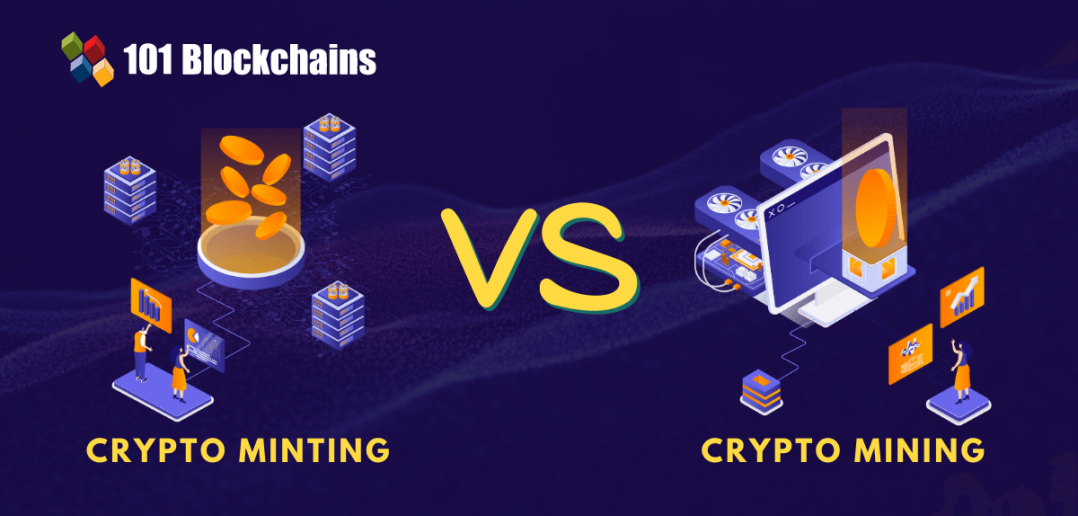
Do all cryptocurrencies use blockchain
Is There an Untraceable Cryptocurrency? There are several cryptocurrencies that claim to be completely anonymous and untraceable, such as Monero, Zcash and Bytecoin. How anonymous they truly are, though, remains to be seen.
A blockchain allows the data in a database to be spread out among several network nodes—computers or devices running software for the blockchain—at various locations. This creates redundancy and maintains the fidelity of the data. For example, if someone tries to alter a record on one node, the other nodes would prevent it from happening by comparing block hashes. This way, no single node can alter information within the chain.
As we now know, blocks on Bitcoin’s blockchain store transactional data. Today, tens of thousands of other cryptocurrencies run on a blockchain. But it turns out that blockchain can be a reliable way to store other types of data as well.
Each of them puts into practice a different consensus algorithm. Nano, formerly called Raiblocks, implements the so-called Block-lattice. With Block-lattice, every user gets their own chain to which only they can write. Additionally, everyone holds a copy of all of the chains. Every transaction is broken down into a send block on the sender’s chain, and a receive block on the receiver’s chain. The problem of Block-lattice is that it is vulnerable to penny-spending attacks. These involve inflating the number of chains that nodes must track by sending negligible amounts of cryptocurrency to empty wallets.