


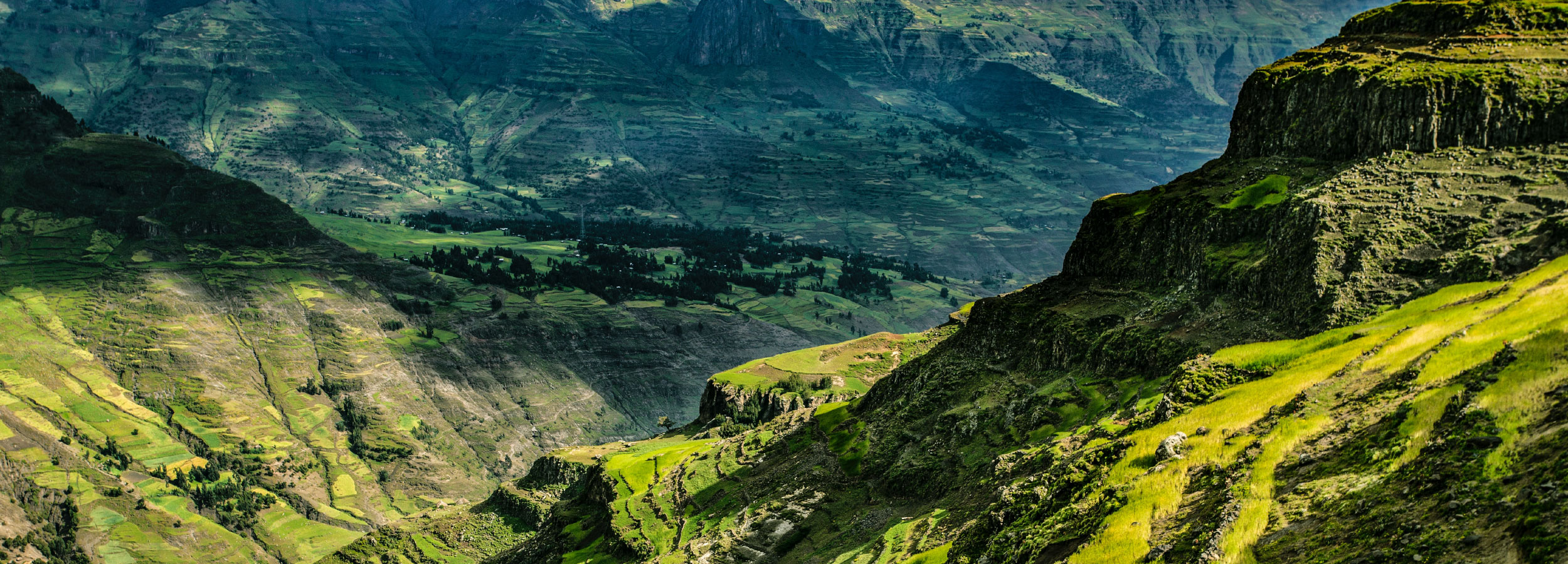
Overview of Cloverdale as a region in British Columbia
Overview of Cloverdale as a Region in British Columbia
Cloverdale is an unincorporated community located within Surrey, British Columbia, Canada. Situated near the United States border, it has undergone significant transformation over the years due to its proximity to major cities and transportation hubs.
Location and Geography
Geographically, Cloverdale lies at 49.1041° N latitude and 122.8356° W longitude. The region is nestled in a valley surrounded by gentle hills, providing cloverdale-casino.ca an ideal landscape for agricultural purposes. The community’s strategic location near the Fraser River has facilitated its growth as a trade center.
History
The area was initially inhabited by Indigenous peoples, specifically the Kwantlen Nation. In 1858, the discovery of gold at nearby Harrison Lake led to a surge in settlement, with Cloverdale emerging as an agricultural hub during the late 19th and early 20th centuries. The community’s population has continued to grow steadily since then.
Economy
Cloverdale is recognized for its thriving agriculture sector. Local farmers cultivate a variety of crops including hay, alfalfa, wheat, and fruits like cherries and apples. Additionally, its proximity to the Trans-Canada Highway makes it an attractive location for businesses catering to travelers. The region’s industrial base comprises manufacturers producing food products, chemical fertilizers, and steel.
Infrastructure and Transportation
Access to major transportation networks has played a vital role in Cloverdale’s economic development. The community is situated near the Canada-US border crossing at Pacific Highway (Highway 99), facilitating trade between British Columbia and Washington state. Public transportation services are available for residents via buses operated by BC Transit, providing connectivity within Surrey as well as to nearby cities like Vancouver.
Demographics
As of the last census in 2016, Cloverdale’s population stood at approximately 35,000 people. The community features a mix of urban and rural residential areas, with housing stock varying from apartments to single-family homes on large lots. Residents enjoy proximity to outdoor recreational facilities such as parks, trails, and fields suitable for activities like horseback riding.
Community Services
Cloverdale has its own town center which serves residents and visitors alike, offering various amenities including shops, restaurants, cafes, a library branch of the Surrey Public Library system, an aquatic center (South Surrey Recreation Centre), schools (public elementary school, public middle school and two private schools), churches from multiple denominations as well as a community garden.
Challenges
Despite its advantages, Cloverdale faces challenges related to growth. Concerns about traffic congestion on surrounding highways have led some residents to push for expanded infrastructure projects or increased services such as transit-oriented development. Some debate has also emerged regarding the impact of suburbanization and urban sprawl patterns on regional planning strategies within Metro Vancouver’s broader context.
Conclusion
Cloverdale, with its unique blend of natural beauty, rich history, economic diversity, and accessibility to major cities, remains a vital part of Surrey, British Columbia. The continued expansion and development in this region are influenced by both the advantages it offers as well as challenges presented by rapid growth and regional planning goals.