



Why This Cartridge Dominates The Shooting World
The Ultimate 9mm Ammo Guide: Ballistics, Brands, and Best Picks for Every Shooter
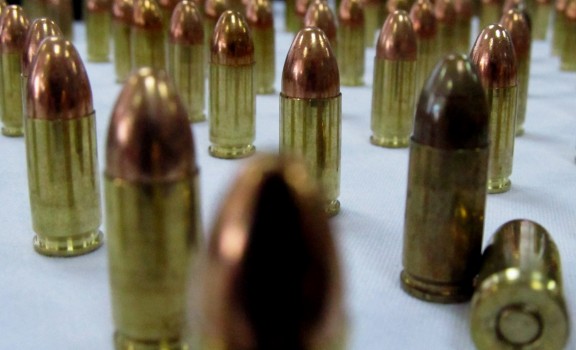
A shooter chambering a round into a locked-breech pistol feels the 9mm cartridge’s crisp recoil impulse, a direct result of its 9x19mm case propelling a 115- to 147-grain projectile at velocities between 1,100 and 1,300 feet per second. This centerfire ammunition operates by igniting a smokeless powder charge via a primer, which forces the jacketed hollow-point or full-metal-jacket bullet down the barrel with reliable, consistent pressure. Its balance of manageable recoil, high magazine capacity, and terminal ballistics makes it the standard for defensive and target use, while proper storage in cool, dry conditions ensures the brass casing and primer remain corrosion-free for decades. Choosing the correct bullet weight for your barrel twist rate is essential to achieve optimal accuracy and reliable feeding in any 9mm handgun.
Why This Cartridge Dominates The Shooting World
The 9mm cartridge dominates the shooting world because it strikes the perfect balance between **magazine capacity** and manageable recoil. You can carry more rounds in a standard-handgun grip than with any larger caliber, which is a massive practical advantage whether you’re at the range or defending your home. Modern 9mm ammo also offers excellent terminal ballistics with quality hollow points, rivaling older .40 or .45 loads while letting you shoot faster and stay on target. The sheer availability of affordable practice ammunition means you can actually train consistently, building muscle memory that matters when it counts. Add in softer shooting for quicker follow-up shots, and it’s clear why 9mm remains the go-to choice for **practical everyday carry** and competitive shooting alike.
The Balance Between Recoil, Capacity, And Stopping Power
The 9mm’s dominance hinges on a practical equilibrium between recoil, capacity, and stopping power. Its recoil is mild enough to permit rapid follow-up shots and quick sight reacquisition, directly enabling higher magazine capacities—typically 15 to 18 rounds—without compromising grip or control. While its stopping power is less than .40 or .45 ACP, modern expanding ammunition narrows that gap significantly, delivering adequate terminal effect for defensive scenarios. This trade-off favors statistical hit probability over raw energy: more controllable shots on target outweigh the marginal advantage of a heavier bullet that often misses under stress. The shooter who manages recoil effectively will land more rounds in vital zones, which matters more than any single projectile’s diameter. For most users, this blend yields the best real-world performance.
What Makes It The Standard For Defensive And Range Use
The 9mm’s reign as the default choice for both the holster and the range bag comes down to one thing: manageable recoil that doesn’t sacrifice stopping power. This balance lets you fire accurate follow-up shots under stress, which matters more than raw muzzle energy in a defensive scenario. On the range, that same mild push means you can train for hours without flinching or fatigue, building muscle memory that actually sticks. You get a high magazine capacity in a compact frame, while ammo affordability keeps practice sessions frequent. It’s that rare sweet spot—effective enough for self-defense, pleasant enough for a full box of practice, making it the practical standard.
Key Differences Between 9mm Load Types You Must Know
The 9mm round isn’t one load, and knowing the difference between 115-grain and 147-grain is survival-level knowledge. A 115-grain full metal jacket snaps fast, giving you flat recoil and reliable feeding for range practice, but it fragments poorly and over-penetrates in drywall. Switch to a 147-grain jacketed hollow point, and you get subsonic velocity that suppresses well, yet its heavier mass creates a slower, deeper push—ideal for home defense because it expands reliably through heavy clothing. But muzzle energy alone never tells the story; penetration depth and expansion diameter decide real-world stops. Meanwhile, +P loads spike pressure by up to 10%, turning your compact pistol snappy and risking accelerated wear on older slides—use them sparingly for carry, not daily drills. Your choice should mirror your environment, not .338 Lapua Ammo for Sale just the box’s label. A defensive load that won’t cycle in your specific gun is a paperweight.
Full Metal Jacket vs. Hollow Point: Choosing The Right Bullet Geometry
Choosing between full metal jacket and hollow point 9mm boils down to target response versus penetration. Full metal jacket rounds feature a solid lead core encased in copper, offering reliable feeding and deep barrier penetration, but they punch a clean hole with minimal tissue disruption—ideal for range practice or hard targets. Hollow points, conversely, expand upon impact, mushrooming to create a larger wound channel while limiting over-penetration, a critical safety factor for self-defense. Your environment dictates the geometry: FMJ maximizes structural integrity in training, while hollow point expansion delivers stopping power where collateral damage is a concern. For carry, prioritize expansion; for drills, prioritize durability. The right geometry inherently balances these trade-offs.

Understanding +P And +P+ Pressure Levels For Your Firearm
Understanding +P and +P+ pressure levels for your firearm hinges on SAAMI specifications, which rate +P 9mm at up to 38,500 psi versus 35,000 psi for standard loads. This roughly 10% increase boosts velocity but accelerates parts wear, so you need a gun explicitly rated for it—typically modern firearms with fully supported chambers. +P+ 6.5x57R Ammo for Sale lacks an official SAAMI limit, making it a wildcard that can exceed 40,000 psi and stress older or compact slides severely. Always check your manual; firing +P ammunition in a non-rated firearm risks premature unlocking or frame cracking. Recoil impulse rises noticeably, but muzzle flip is manageable with a firm grip. Q: **Is frequent +P+ use safe for a Glock 19?** A: Occasionally yes, but routine use shortens spring life and battering the locking block—stick to standard for practice.
Matching The Right Grain Weight To Your Specific Needs
Matching the right grain weight to your specific needs in 9mm ammo hinges on your primary use. For concealed carry and personal defense, a **115-grain jacketed hollow point** offers proven penetration and reliable expansion at standard velocities, making it the most balanced choice for rapid follow-up shots in tight spaces. If you’re shooting competition or practicing recoil management, a 124-grain bullet provides a slightly softer impulse and faster return to sight alignment, ideal for precision drills. For suppressed use or subsonic performance, a 147-grain round cycles reliably and minimizes noise, though it demands a firmer grip due to increased recoil. *Question: What grain weight suits a short-barrel pistol?* Answer: Stick with 124-grain, as it maintains adequate velocity for expansion without the excessive muzzle flip of 147-grain loads. Test each weight in your firearm to confirm feeding reliability, then commit to one for consistent training.
115 Grain vs. 124 Grain vs. 147 Grain: How It Affects Felt Recoil And Accuracy
In 9mm, the 115-grain load produces a sharper, snappier impulse due to higher pressure peaks, translating to more perceived muzzle flip. The 124-grain round offers a balanced push-and-recoil curve, often regarded as the standard for quick follow-up shots. The 147-grain subsonic load generates a slower, deeper push that feels softer to the shooter, but its lower velocity can demand a longer sight picture recovery if the shooter anticipates the recoil. Accuracy-wise, matching grain weight to your firearm’s 6.8 SPC Ammo for Sale barrel twist rate matters: 115-grain typically yields flatter trajectories at close range, while 147-grain can provide superior consistency at suppressed velocities. Felt recoil is not solely about grain count; powder burn rate and load pressure often alter the perceived difference more than bullet mass alone.
- 115-grain: snappiest recoil, flattest arc to 15 yards.
- 124-grain: best compromise between recoil impulse and target reacquisition.
- 147-grain: softest push, but slower slide cycle can cause perceived lag.
- Accuracy improves when you test grain weights against your specific barrel’s twist rate.
How Bullet Velocity Influences Expansion And Penetration In Target Scenarios
In 9mm target scenarios, bullet velocity dictates the hydraulic pressure that drives both expansion and penetration. Higher velocity rounds, such as +P loads, force hollow-points to open faster and wider, creating a larger temporary cavity but risking over-penetration through barriers or thin targets. Conversely, lower velocity loads may fail to reach the expansion threshold, causing the projectile to pencil through without mushrooming, which reduces energy transfer and can pass through consistently. The optimal velocity zone sits between 950 and 1,150 fps, where expansion is reliable yet penetration stays within 12–18 inches of ballistic gel. For defensive scenarios, match grain weight to velocity—heavier grains at moderate speed penetrate deeper, while lighter grains at high speed expand aggressively but may fragment. This balance ensures controlled damage without exiting the target.
Velocity determines whether a 9mm bullet expands predictably or .32 Win Special Ammo for Sale over-penetrates, so matching grain weight to speed is essential for controlled terminal effect.
How To Select The Best Rounds For Self-Defense Situations
Selecting the best 9mm rounds for self-defense demands prioritizing bullet design and .32 ACP Ammo for Sale terminal performance over cost or aesthetics. Choose a jacketed hollow point (JHP) that reliably expands to roughly 1.5 times its original diameter upon impact, ensuring a larger wound channel and faster incapacitation. Avoid full metal jacket (FMJ) rounds, as they over-penetrate and risk collateral damage. Verify the round cycles flawlessly in your specific pistol by testing at least 200 rounds, checking for feeding and ejection issues. Look for reputable loads with proven track records, such as Federal HST, Speer Gold Dot, or Hornady Critical Duty, which offer consistent penetration in the 12–18 inch FBI gel test range. Ultimately, the best self-defense ammunition is one that balances expansion, penetration, and reliability in your firearm, not hype.
Criterion To Judge: Reliable Feeding, Consistent Expansion, And Barrier Performance

When picking 9mm rounds, judge them by three practical tests. First, reliable feeding means the cartridge cycles flawlessly from mag to chamber, regardless of gun angle or grip pressure—test at least 200 rounds of your actual carry ammo. Second, consistent expansion demands the Ammunition for Sale hollow point opens to a predictable diameter across varied gel densities, not just in one perfect test. Third, barrier performance shows whether the bullet still expands after passing through denim, auto glass, or drywall, because real fights involve obstacles. A round that expands brilliantly in bare gel but slugs through a jacket is a liability you can’t trust.
Criterion to judge: reliable feeding, consistent expansion, and barrier performance—verified by your own gun and realistic clothing tests, not manufacturer hype.
What To Look For In Ammunition Tested For Short-Barrel Handguns
When evaluating ammunition for short-barrel handguns, prioritize loads specifically designed to achieve reliable expansion at the lower velocities typical of barrels under four inches. Look for consistent penetration depths between 12 and 16 inches in ballistic gel after passing through heavy clothing, since shorter barrels reduce muzzle energy. Check the manufacturer’s published velocity data for your exact barrel length—many standard loads underperform. Examine the primer and powder formulation for complete burn efficiency, which minimizes unburnt powder fouling and ensures reliable cycling. Verify that the hollow-point cavity does not clog with fabric, causing jacket separation. Finally, test multiple lots for feed reliability and point-of-impact shift, as short-barrel recoil dynamics differ significantly from full-size pistols.
| Test Metric | Why It Matters for Short Barrels |
|---|---|
| Expansion diameter | Must reach 0.50–0.65 inch despite lower velocity |
| Penetration depth | Needs 12–16 inches to reach vital organs |
| Velocity consistency | Under 50 fps spread prevents under-expansion |
| Barrel-length-specific data | Published specs must match your 3–3.5 inch barrel |

Practical Tips For Storing And Maintaining Your Cartridge Supply
Store 9mm ammo in its original factory boxes inside a sealed, airtight ammo can with desiccant packs to prevent moisture-induced corrosion of the brass case and primers. Keep the can in a cool, dark, stable environment—ideally below 70°F—since extreme heat cycles can degrade powder burn rates and cause pressure inconsistencies. Rotate your oldest stock to the range first, using a first-in, first-out system, and write the purchase date on each box with a marker to track age. Inspect every cartridge before loading for dents, tarnished cases, or loose bullets, and immediately discard any round that fails a visual check, as 9mm feeding reliability depends on flawless case geometry. Lubricate moving firearm parts, not the ammo itself, because oil on primers or projectiles attracts dust and can cause misfires. While many shooters hoard bulk 9mm, a modest, rotated reserve of two thousand rounds is far more valuable than a damp, forgotten case of ten thousand.
Optimal Temperature And Humidity Conditions To Prevent Corrosion
To keep your 9mm ammo from rusting, aim for a steady temperature between 60–70°F and keep relative humidity under 50%. Big swings in temperature can cause condensation inside storage boxes, so avoid attics or cold garages. A simple desiccant pack inside your ammo can helps maintain optimal temperature and humidity conditions to prevent corrosion, especially in humid climates. Check your storage area seasonally, as moisture sneaks in during summer months. If your rounds develop green spots or discoloration, that’s a sign the environment is too damp—move them somewhere drier and more stable immediately.
How To Rotate Your Stockpile So You Always Shoot Fresh Cartridges
The cornerstone of ammo rotation for fresh 9mm cartridges is the “first-in, first-out” (FIFO) method. 6.5x57mm Mauser Ammo for Sale When you buy a new box, physically place it behind your existing stock on the shelf or in the ammo can. This forces you to grab the oldest rounds first for your next range session. Write the purchase date on each box with a sharpie; if you see a box older than 12 months, shoot it immediately. Avoid the trap of hoarding a “good” lot—your carry ammo should be rotated every six months by firing it and replacing it with a fresh box. Always pull from the bottom of a stacked container to naturally cycle the deeper, forgotten rounds to the top for use.
Q: How often should I physically rotate my 9mm stockpile?
A: Every time you buy a new box—never add new ammo to the front of the line. For defensive loads, force a full rotation every 90 days by shooting the old carry mags at the range, then reloading them from your newest reserve. This ensures your firing pin always strikes propellant that hasn’t broken down from long-term storage.
Fixing Common Feeding Misfires And Cycling Issues In Your Pistol
When your 9mm pistol starts choking on feeding or cycling, the culprit is often a weak recoil spring struggling against hot +P loads, or a limp wrist absorbing the energy needed to strip the next round. Start by inspecting your 9mm cartridges for setback—if the bullet has been pushed deeper into the case, it spikes pressure and causes erratic slide travel. Polish the feed ramp with a felt wheel and Flitz to eliminate the rough surface that snags hollow-points. Why does my 9mm fail to return to battery? Usually a dirty chamber or a 6.5×55 Swedish Ammo for Sale worn extractor claw failing to snap over the rim; clean aggressively and replace the extractor spring if the issue recurs. For light-strike misfires, test your striker spring against a factory-weight replacement, then confirm your ammo’s primer is seated flush—shallow primers absorb the pin’s energy. Finally, lubricate the slide rails sparingly with CLP; too much oil attracts carbon and turns into a sludge that slows cycling. A 9mm that feeds and ejects seamlessly only requires a systematic check of these contact points.
Why Some Guns Are Picky About Their Diet And How To Troubleshoot
Some 9mm pistols, especially competition-tuned or tightly toleranced models, demand specific ammunition because of chamber geometry and recoil spring weight. A cartridge with a slightly longer overall length or a flat-nosed bullet can jam on the feed ramp, while weak loads fail to cycle a heavy spring. To troubleshoot, first check .35 Remington Ammo for Sale your pistol’s manual for minimum power factor or bullet profile recommendations. Then, test a box of 124-grain FMJ round-nose, as it’s the industry baseline. If failures persist, polish the feed ramp and inspect your magazine’s follower for drag. Diagnosing ammunition sensitivity requires a systematic swap of bullet weight, shape, and velocity, not just brand changes.
Q: Why are some 9mm guns picky about their diet?
A: Because their shorter chambers, tighter extractors, and stiffer recoil springs amplify differences in bullet seating depth, case rim thickness, and https://specialtysportsandsupplyltd.com/ powder burn rate, which a loose-duty pistol simply ignores.
Simple Magazine And Spring Checks To Ensure Smooth Operation
Before blaming your 9mm ammo for a feeding misfire, inspect the magazine and its spring. A weak magazine spring is the primary culprit behind sluggish follower movement, which fails to present the next round fast enough for the slide. Remove the baseplate and measure the spring’s free length against a new one; if it’s shorter, replace it immediately. Check the follower for burs or rough edges that catch on the case rim, and verify the feed lips are not spread. A simple test: load a full magazine, press down on the top round, and release—it should snap back aggressively. If it moves sluggishly, that’s your failure point. Replacing a worn recoil spring alongside the magazine spring ensures the slide cycles with enough force to strip the fresh round cleanly. Clean the magazine tube interior with a dry lubricant to eliminate grit that slows the spring.
- Test magazine springs by measuring free length against factory spec.
- Inspect feed lips for cracks or widening that cause nose-dive jams.
- Lubricate the follower and tube interior with a light, dry coating.
- Swap recoil springs every 5,000 rounds to maintain slide velocity.